Bio-based materials and creative packaging
Bio-based materials are green, environmentally friendly, and resource-saving
tree-free fiber
To reduce the paper industry's dependence on wood, tree-free fibers are becoming more prominent, and plant-based materials including agricultural fertilizers and industrial by-products are gradually becoming the protagonists. The total global consumption of paper and paperboard is 408 million tons, and it is imminent to obtain paper-based materials from plant waste, residues and by-products to replace traditional wood fibers.
British packaging manufacturer DS Smith is trialing a new paper packaging production process that uses agricultural waste and annuals such as straw, hemp and miscanthus to reduce forest pressure. Likewise, Austrian company Organoid uses untreated natural botanicals such as alpine hay and mint stems to create luxurious packaging.
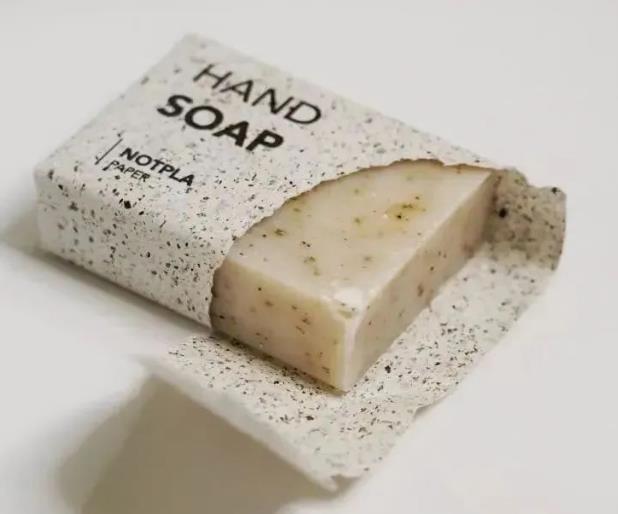
French fashion house Chanel has released a limited edition molded blister pack made of 60% FSC certified bamboo and 40% bagasse fibre. Bagasse fiber is a by-product of the sugarcane industry, and the material is known as an eco-material that is both recyclable and biodegradable.

food residue
From the French company Houbly, the residue [cocoa pod] in the chocolate production process and the [beer waste grain] in the beer brewing process are used to manufacture bio-based packaging. Looking domestically, start-up Mi Terro has partnered with Budweiser in China to create a biodegradable film from grains left over from beer production.
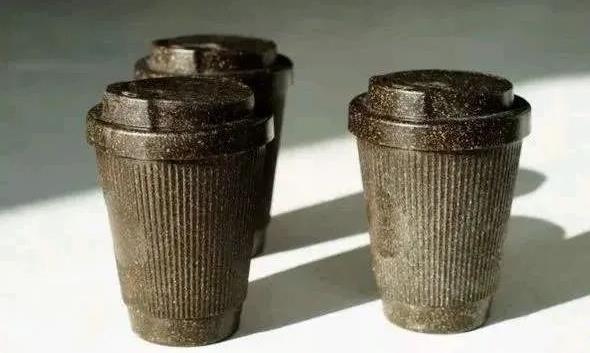
The German company designs and manufactures a variety of eco-friendly coffee cups, and their latest creation is a to-go mug made from discarded coffee grounds. Although this type of cup is designed for long-term use and biodegradable after the end of its service life, the whole process is green and worry-free. But Kaffeeform also offers a new, extra service: the ability to recycle the cups after use and turn them into 3D-printable filament for tiles or new cups.
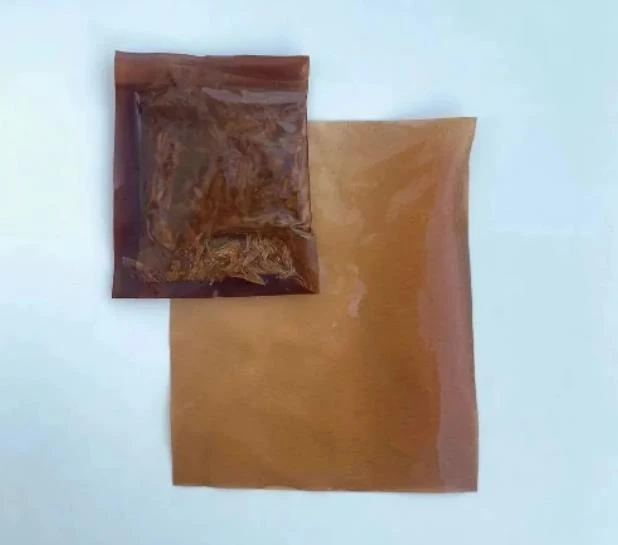
pineapple leaves/peanut shells

The packaging, made of special paper made from discarded pineapple leaves, is the result of an initiative launched by Design Center Philippines to promote local communities and resources, especially since the Philippines is one of the largest producers of pineapple fruit in the world. The design helps eliminate unnecessary waste and encourages locals to actively contribute to the conservation of Philippine flora.
The spoon made of peanut shells is actually a seed package, which is used to pack a seed. When using it, directly use the peanut shell spoon to plant the plant seeds to a suitable depth. Finally, the user can crush the shovel and place it in the soil, turning the shovel into fertilizer to provide nutrients to the seeds.