Raw Materials:
Corn Starch or Sugarcane: PLA is commonly produced from plant-based sources, such as corn starch or sugarcane. These renewable resources serve as the foundation for creating lactic acid, which, through a process of polymerization, forms the PLA polymer.
Manufacturing Process:
Fermentation: Corn starch or sugarcane is first broken down into simple sugars through a process called fermentation.
Lactic Acid Production: Microorganisms then convert these sugars into lactic acid.
Polymerization: The lactic acid is further processed through polymerization to create the PLA polymer, which can be molded into various shapes, including straws.
Properties of PLA:
Biodegradability: PLA is biodegradable under specific conditions, primarily in commercial composting facilities where the temperature, humidity, and microbial activity are optimized for its breakdown.
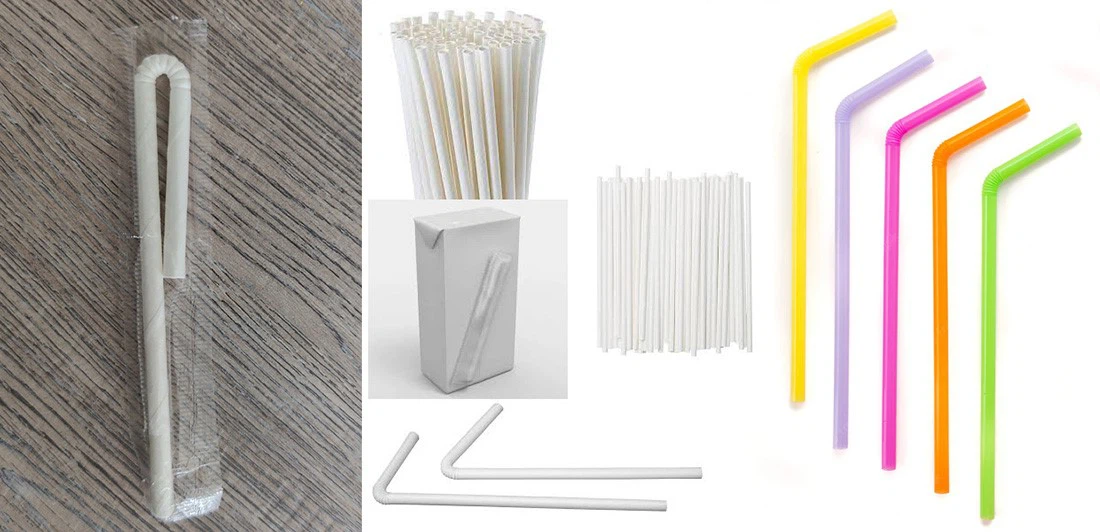
Renewability: Since it originates from plant-based sources, PLA is considered a renewable resource, in contrast to conventional plastics derived from non-renewable fossil fuels.
Environmental Impact:
Reduced Dependency on Fossil Fuels: PLA straws help decrease the reliance on fossil fuels, contributing to lower carbon emissions and a smaller environmental footprint.
Compostability: PLA straws have the potential to break down into natural components like carbon dioxide and water under the right conditions, reducing long-term environmental impact compared to traditional plastics.
Disposal Considerations:
Commercial Composting: To maximize the eco-friendly benefits, PLA straws should be disposed of in commercial composting facilities where the conditions are suitable for their efficient decomposition.
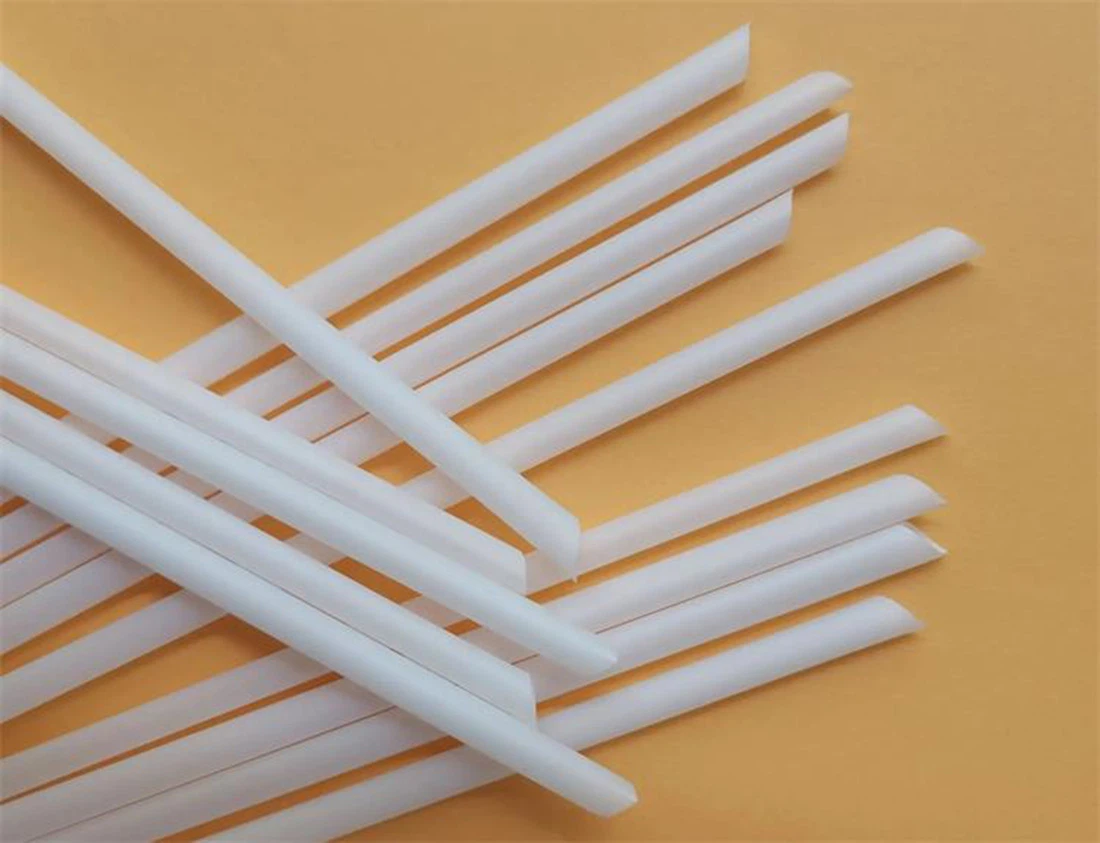
Home Composting Challenges: While PLA is theoretically compostable in home composting systems, the process may take longer, and not all home composting setups may provide the necessary conditions for effective degradation.
End-of-Life Options:
Recycling Limitations: PLA has limitations in traditional plastic recycling streams due to its distinct properties. Mixing PLA with conventional plastics can contaminate the recycling process.
Waste Management: Proper disposal, whether through commercial composting or waste management systems, is crucial to ensure that PLA straws contribute to environmental sustainability.
In summary, PLA straws offer a more sustainable alternative to traditional plastic straws, with the key benefits of being derived from renewable resources and having the potential for biodegradability under specific conditions. However, responsible disposal practices are essential to maximize their environmental benefits.


