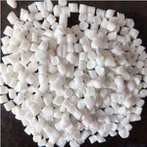
According to the definitions of the European Bioplastics Association and the Japanese Bioplastics Association, bioplastics is a collective term for bio-based plastics and biodegradable plastics. Bio-based plastics are a concept put forward from the perspective of the source of raw materials, while biodegradable plastics are mainly put forward from the perspective of the environmental absorption performance of the plastic after it is discarded.
According to different sources of raw materials and biodegradability, bioplastics can be divided into three categories. The first category is non-degradable plastics (based on renewable raw materials) from all biomass sources and part of biomass sources, such as bioethanol-based polyethylene (PE), which is obtained by converting corn starch into bioethanol, and then processing it. Polyphenylene (PP) and polyethylene terephthalate (PET), which are partly based on bioethanol, are all bio-based bioplastics.
The second category is biomass-derived and biodegradable plastics (biodegradable and based on renewable materials), such as thermoplastic starch (derived from starch and made thermoplastic under the action of additives), polylactic acid (PLA, made from corn starch) It is degraded into lactic acid and then polymerized), cellulose acetate (the raw material is derived from plant cellulose and is made through hydroxyl acetylation), etc., which are both bio-based plastics and biodegradable plastics.
The third category is derived from petroleum-based, but biodegradable (based on fossil resources and biodegradable), such as polybutylene succinate (PBS, polymerized by succinic acid and butanediol), polycaprolactone (PCL, formed by condensation of 6-hydroxycaproic acid), is a biodegradable plastic.