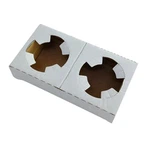
On October 14, 2026, CJ Biomaterials, Inc.-a subsidiary of South Korea's CJ CheilJedang and a leading producer of polyhydroxyalkanoate (PHA) biopolymers-partnered with Dongsung Chemical to launch the first PHA-based hot-melt adhesive for the U.S. market.
Designed specifically for packaging, the ECOVIVA® hot-melt adhesive is optimized for cosmetic packaging, household goods, electronics, and other consumer product packaging. It effectively bonds a variety of challenging substrates, including paper to aluminum foil, and paper to acrylonitrile butadiene styrene (ABS) plastic.
The formulation of the ECOVIVA® hot-melt adhesive incorporates biomass-based components, including PHACT™ A1000P-a proprietary amorphous PHA biopolymer developed by CJ Biomaterials. Compared to traditional polyisobutylene (PIB) or ethylene-vinyl acetate (EVA) adhesives, this product is engineered to significantly reduce carbon dioxide (CO2) emissions and has earned bio-based certification from Germany's DIN CERTCO.
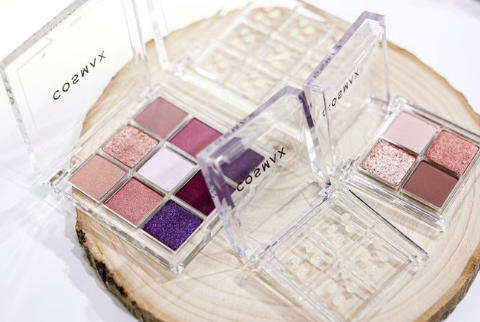
The adhesive offers high cold resistance and can form bonds at room temperature and under low pressure. It is compatible with existing hot-melt dispensing systems-such as nozzles and roller coaters-making it suitable for components of various shapes and sizes. Through a collaboration with COSMAX, a global leader in cosmetic ODM (Original Development Manufacturing), this PHA-based ECOVIVA® adhesive has already been integrated into the packaging process for the company's eyeshadow products. "This PHA-based hot-melt adhesive incorporates renewable, bio-based content while maintaining the performance of traditional hot-melt adhesives," says Max Senechal, Chief Commercial Officer at CJ Biomaterials. "It offers packaging manufacturers a more sustainable option, helping them meet customer demands and achieve the increasingly stringent carbon-reduction and resource-reduction targets set by global climate and packaging frameworks."
Produced through the fermentation of plant-based sugars, PHACT™ A1000P has earned both DIN CERTCO bio-based certification and TÜV AUSTRIA's four-star 'OK biobased' certification. As a soft, flexible PHA material, it can be used in combination with other biopolymers to reduce brittleness and improve processability, delivering performance that matches-or even surpasses-that of conventional petroleum-based polymers.