LEGO plans to use sustainable materials in all its products by 2032, reducing carbon emissions by 37% by 2032 compared to 2019, and achieving net-zero emissions across its value chain by 2050.
In 2025, its environmental and social responsibility investment increased by 20% year-on-year, primarily through the quality balance method of sourcing sustainable materials, with 60% of its raw material purchases using this method and 4% directly sourced from sustainable materials. Despite a 29% increase in revenue, the use of virgin fossil materials decreased compared to 2022. LEGO also launched a plastic packaging replacement program in 2023, and currently 56% of its global factory packaging production lines have switched to paper bags.

Today, using recycled materials in production has become a mainstream trend in the toy industry, with leading domestic and international companies actively implementing this approach. From large-scale implementation by international brands to localized innovation by Chinese companies, each has its own unique characteristics and significant achievements.
International Brand: Mattel Builds a Comprehensive Eco-Friendly Toy Matrix
As a global benchmark in the toy industry, Mattel has incorporated sustainability into its core strategy, setting a goal of using 100% recycled, recyclable, or bio-based plastic materials for its products and packaging by 2030. The company has implemented the Mattel PlayBack toy recycling program, which collects used toys from all its brands, including Barbie, Hot Wheels, and Fisher-Price, free of charge. Through partners, these toys are converted into post-consumer recycled plastic (PCR) or new playground equipment, reducing toy landfills at the source.
Its core brands have all launched benchmark products made from recycled materials: the Matchbox series Tesla convertible model is made from 99% recycled materials and is carbon neutral certified; the packaging uses FSC-certified recycled materials, and the inner tray uses 70% potato-derived bio-based materials; the Barbie "Ocean Love" series dolls use 90% ocean boundary plastic for their main plastic parts, with materials collected from within 50 kilometers of waters without formal waste collection systems, contributing to the control of ocean plastic pollution; Fisher-Price, as a core brand of infant and toddler toys, offers the Planet Friends series of eco-friendly toys, with 80%-90% of the materials made from post-consumer recycled plastic.
Chinese Companies: Pop Mart and Zhongwang Toys Forge a Localized Environmental Protection Path
Chinese toy companies, leveraging the advantages of their local industrial chain, have formed distinctive development models in the application of recycled materials, with companies like Pop Mart and Zhongwang Toys becoming benchmarks.
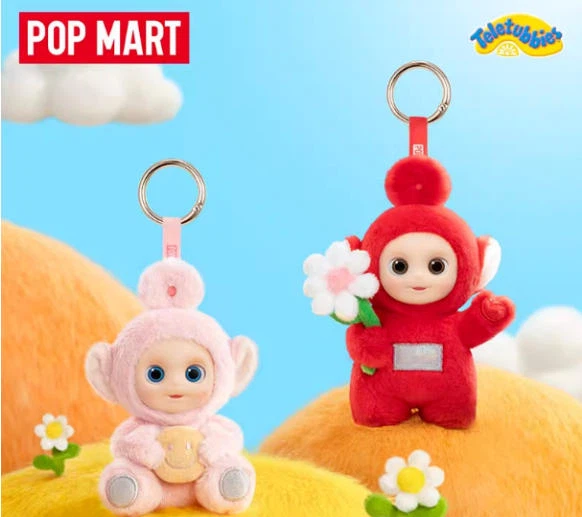
Pop Mart, as a leading domestic trendy toy brand, continues to promote sustainable development, achieving significant results in the application of recycled materials. On Earth Day in 2025, DIMOO launched the world's first 55% recycled material figurine (the Earth Day figurine). The recycled materials come from high-quality frame sealing strips and are certified by GRS (Global Recycling Standard). In 2023, DIMOO Beaver co-branded figurines were launched, becoming the first "carbon-neutral" product in the trendy toy industry, using 20% green recycled materials and optimizing the supply chain and logistics to achieve carbon reduction throughout the entire chain.
Dongguan Zhongwang Toys, a leading domestic manufacturer of infant and toddler fabric toys, has been deeply involved in the manufacturing of environmentally friendly toys for over a decade, building a complete green supply chain from raw material selection to finished product delivery.
Its core products, such as toy mats, hand puppets, and comfort blankets, are all made from environmentally friendly recycled textile raw materials, ensuring the safety and sustainability of recycled materials from the source. Its products are sold to more than 50 countries and regions worldwide, making it a representative of Chinese environmentally friendly infant and toddler toys going global.