TripleW, based in Antwerp, Belgium, is transforming bioplastic production by simultaneously addressing the supply of sugar feedstocks and the upcycling of post-consumer waste. Historically, petrochemical refineries built the modern materials economy by extracting crude oil from the ground. Today, conventional polylactic acid (PLA) production relies on virgin food crops such as corn and sugarcane.
TripleW is rewriting this narrative by treating organic food waste as the "new oil"-extracting high-value chemical building blocks from abundant, localized waste streams.
TripleW's proprietary technology combines fermentation with advanced purification to transform heterogeneous, mixed organic waste into Circulac®-an ultra-pure lactic acid designed for high-performance polymer production. In 2025, TripleW and Sulzer Chemtech successfully demonstrated the world's first PLA made entirely from lactic acid derived from food waste, establishing a groundbreaking renewable carbon pathway.
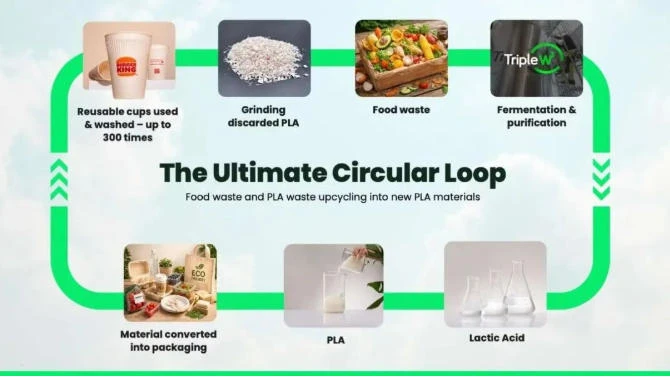
Their process integrates seamlessly into existing waste management infrastructure. It processes local organic waste to extract lactic acid while routing the remaining organic matter directly to anaerobic digestion for biogas production, thereby maximizing carbon efficiency.
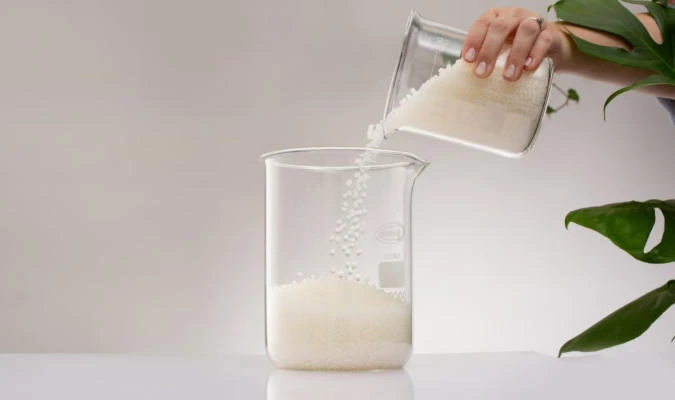
At the same time, TripleW addresses end-of-life challenges through chemical upcycling. In partnership with Sulapac, the company processes post-consumer PLA cups used at Burger King, breaking the material back down into high-purity lactic acid.
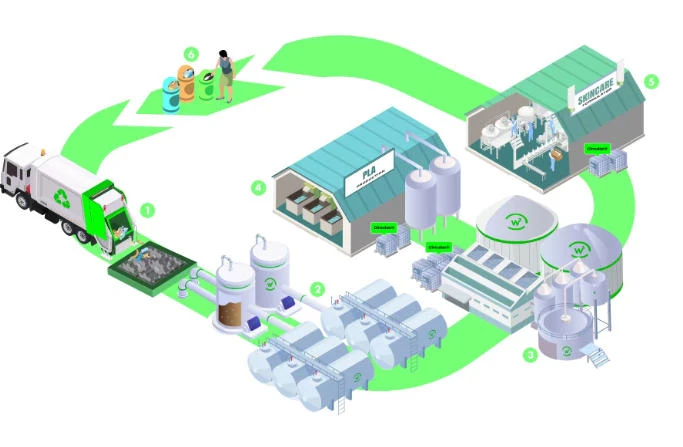
By converting organic waste into PLA and subsequently upgrading post-consumer PLA back into feedstock, TripleW offers a complete closed-loop system. With Circulac® now commercially available and both pathways validated at scale, TripleW is pioneering a scalable, cost-competitive, and truly circular PLA industry.