


As of July 23, 2026, the dispute between the Italian government and the European Commission regarding compostable single-use plastic products has intensified.
The Italian government plans to introduce new national regulations by exercising the exemption authority granted to member states under Article 9 of the EU Packaging and Packaging Waste Regulation (PPWR).
01. Background of the Issue
On April 1, 2026, the Italian government notified the European Commission of a draft technical regulation stipulating that, effective
January 1, 2030, the following four categories of single-use plastic packaging must be made of biodegradable, compostable materials:
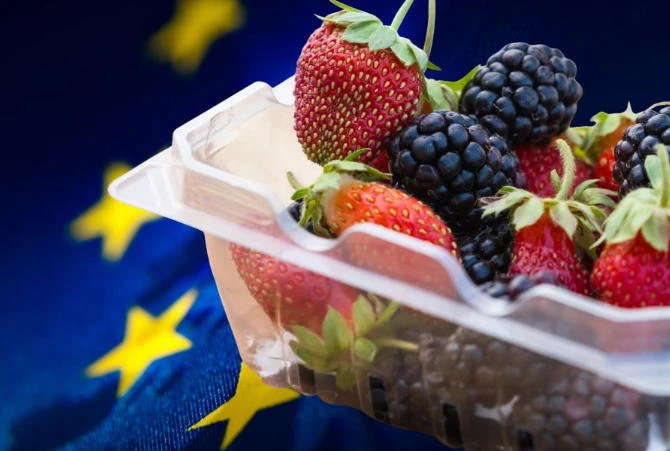
Outer packaging for pre-packaged fresh fruit and vegetables weighing less than 1.5 kg; single-use plastic packaging for pre-filled food and beverages consumed on-site in the hotel, catering, and food service sectors; single-use flexible plastic packaging for individual portions of condiments in the food service and hospitality sectors (subject to limited exemptions); and flexible plastic packaging for single-use cosmetics and toiletries provided in the hospitality sector.
In a formal letter dated July 6, 2026, the European Commission pointed out two major compliance conflicts, noting that the draft contravenes the EU Packaging and Packaging Waste... ...Regulation (PPWR) and the Single-Use Plastics Directive (SUP).
It should be noted that the EU has merely issued a request for clarification at this stage, rather than a formal reasoned opinion with binding veto power. On one hand, while the draft technical regulation is theoretically compatible with the EU legal framework, there are several points requiring further explanation from Italy; on the other hand, this inquiry will not extend the EU's statutory "standstill period."
02. Conflict with the PPWR's timeline provisions
The general provisions of the EU Packaging and Packaging Waste Regulation (PPWR) require that all packaging placed on the market be recyclable; however, Member States are permitted to mandate compostable packaging for specific categories, provided strict conditions are met.
The draft submitted by Italy fails to meet the relevant timeline requirements: to invoke this exemption, countries must enact mandatory compostability requirements before the regulation's official entry into force (August 12, 2026). Italy's draft legislation, however, sets an effective date of January 1, 2030, thereby exceeding the statutory deadline.
The EU has also raised two key questions:
Does Italy possess the necessary supporting infrastructure to separate such compostable packaging from organic waste... ...unified collection and coordinated disposal of municipal waste; cross-border waste risk: if Italian-compliant compostable packaging enters other EU member states that lack supporting composting facilities, it may be mixed with standard recyclable waste, thereby contaminating the entire recycling material stream.
03. Legal conflict with the Single-Use Plastics (SUP) Directive
The EU Single-Use Plastics Directive does not distinguish between conventional plastics and compostable bioplastics.
The core legal criterion applied by the EU is that, regardless of whether a plastic is biodegradable, compostable, or bio-based, it remains a plastic by nature. Consequently, the packaging categories covered by the Italian draft proposal are still classified as single-use plastic products at the EU level and must fully comply with the requirements of Directive (EU) 2019/904 (the SUP Directive).
In short: compostability does not automatically grant an exemption from regulations restricting the production or banning the sale of single-use plastics.
The European Commission is concerned that Italy's policy does not actually reduce single-use plastic consumption but merely substitutes conventional plastic with compostable plastic; this risks entrenching consumption habits associated with single-use packaging, thereby undermining the Directive's fundamental objective of reducing plastic use.
04. EU request for written clarification
The EU... The letter requests that the Italian government undertake four actions:
Re-evaluate the bill's effective date and demonstrate that the provision complies with the timeline requirements for exemptions under the PPWR;
Provide an explanation as to why single-use plastic plates-which are already subject to a ban-were not included in the scope of the new regulations;
Provide evidence that the country's infrastructure for organic waste collection and industrial composting is sufficient to handle the demands of the new regulations;
Submit the complete text of the bill to the European Commission immediately upon its finalization.
05. Key Conclusions
This inquiry by the EU does not amount to a rejection of the proposal, nor will it extend the statutory standstill period; Italy may still proceed with the bill's approval process. However, the government must address the EU's compliance concerns point by point and adjust the provisions accordingly.
06. Response from the Italian Bioplastics Association
Reporters interviewed the Italian bioplastics industry association regarding this matter. The association believes the government draft is crucial for the country's entire supply chain, particularly benefiting the agricultural processing industry and large-scale retail channels.
The association stated: "This bill enables relevant industries to circumvent the PPWR ban on single-use plastic packaging. In scenarios where functional packaging cannot be replaced, it offers a mature alternative that balances technical feasibility with sustainable development. We also hope the legislative process will be fully concluded by August 11 to completely eliminate policy uncertainty across the entire supply chain."


