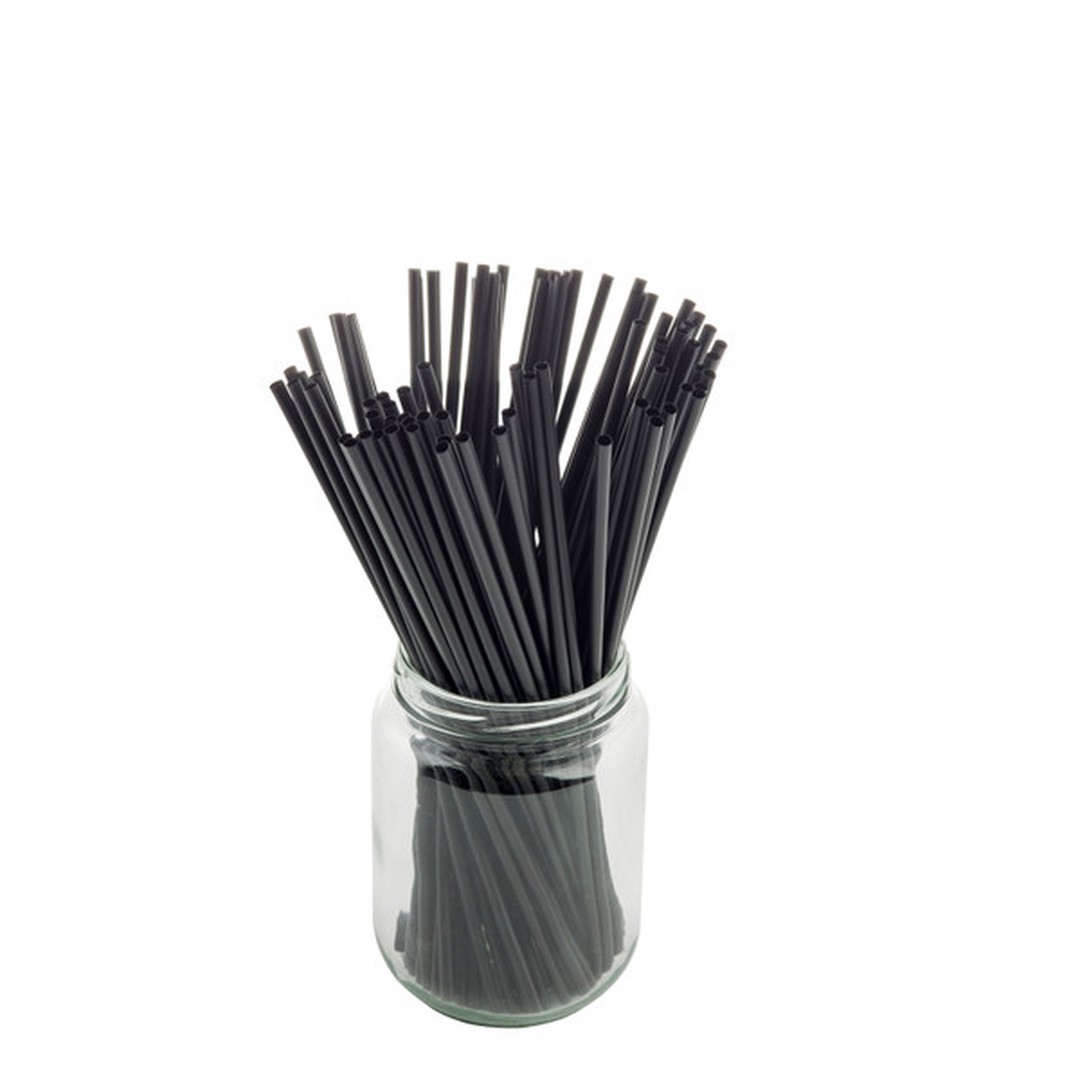
Polylactic Acid (PLA) straws are a popular alternative to traditional plastic straws due to their biodegradability and eco-friendly nature. PLA is a bioplastic made from renewable resources such as corn starch or sugarcane, making it a more sustainable choice. Here's an overview of how PLA straws are typically made:
Raw Material Selection:
The process begins by selecting renewable resources, primarily corn starch or sugarcane, to serve as the base material for PLA production. These materials are rich in starch, which is extracted for further processing.
Extraction of Starch:
Starch is extracted from the chosen raw material through a series of milling and separation processes. This starch serves as the primary building block for the PLA manufacturing process.
Fermentation Process:
The extracted starch undergoes a fermentation process, where microorganisms convert the starch into lactic acid. This fermentation process is typically carried out by bacteria such as Lactobacillus.
Lactic Acid Polymerization:
The lactic acid is then polymerized through a chemical process called condensation polymerization. This results in the formation of long chains of polylactic acid.
PLA Resin Production:
The polylactic acid is further processed into a resin form. This resin can be shaped and molded into various products, including straws.
Extrusion and Forming:
The PLA resin is melted and extruded into the desired straw shape through a process called extrusion. This involves pushing the molten PLA through a die to create a continuous profile, which is then cooled and cut into straw-sized segments.
Cooling and Solidification:
The extruded PLA straws are rapidly cooled to solidify their shape. This cooling process ensures that the straws maintain their structure and rigidity.
Cutting and Quality Control:
The cooled PLA straws are cut into individual lengths. Quality control measures are implemented to ensure that each straw meets the required standards for thickness, length, and overall integrity.

Packaging:
Once the PLA straws pass quality control, they are packaged for distribution. The packaging may include information about the eco-friendly and biodegradable nature of PLA straws.
Distribution and Use:
The packaged PLA straws are then distributed to various businesses, restaurants, and consumers. PLA straws can be used in a similar way to traditional plastic straws but with the added benefit of being biodegradable.
Biodegradation:
When disposed of in composting facilities or suitable environments, PLA straws undergo biodegradation, breaking down into harmless byproducts over time.
It's important to note that while PLA straws are a more environmentally friendly option compared to traditional plastic straws, their full environmental impact also depends on proper disposal and recycling practices.