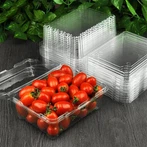
On April 10, 2026, the Italian Ministry of Environment and Energy Security submitted a draft bill proposing to exempt certain biodegradable and compostable packaging types from the EU's upcoming Single-Use Plastic Packaging restrictions under the Packaging and Packaging Waste Regulation (PPWR).
The PPWR regulation will take effect on January 1, 2030, by which time the use of single-use plastic packaging will be prohibited in the following cases:
• Pre-packaged fresh fruits and vegetables weighing less than 1.5 kilograms
• Pre-filled food and beverages for on-site consumption
• Single-serving packages of condiments, sauces, sugar, seasonings, etc., in the hotel and catering industry
The Italian proposal suggests that packaging made from biodegradable and compostable materials certified by authoritative institutions and compliant with EU-recognized standards such as UNI EN 13432 should be allowed to continue use.
"Effective Measure"
The impact assessment document of the proposal states: "Italy can argue that the use of compostable packaging is the most effective measure to minimize contamination of compost by conventional plastics." "Italy's collection system is based on strict household organic waste separation, and using certified bioplastics allows some packaging to go directly into anaerobic digestion and composting facilities, turning waste that might otherwise be mixed into high-quality agricultural resources." "Through this exemption, Italy can continue promoting integrated packaging and content solutions, ensuring all waste is recovered at local biological treatment plants, thereby reducing the need for incineration, helping achieve the EU's circular economy objectives, and adopting strategies that better fit the current state of national treatment facilities."
Cosmetics and Hygiene Products
Italy's draft also expands the scope of exemptions to other specific categories, including cosmetics and hygiene products in single-use soft packaging intended for one-time use during a guest's stay. These items are usually discarded before the next guest checks in. In addition to the exemption provisions, the draft includes measures to combat false advertising, penalizing misleading or vague statements (including compliance claims) made by market participants. The draft also sets administrative fines: 2,500 euros (20,086 RMB) to 25,000 euros (200,860 RMB); if the value of the packaged goods involved exceeds 10% of the violator's turnover, the maximum fine can be increased to up to four times that amount.
Industry Response
The European Bioplastics Association stated that the proposal is a constructive development and can provide clearer legal protection for companies investing in certified compostable materials. The association noted that such schemes are particularly suitable for packaging formats that are difficult to recycle, such as those contaminated with food or hard to sort. Lorenza Romanese, Secretary General of the European Bioplastics Association, said: "We welcome the Italian draft, which is a positive development for the industry. Clear and actionable rules are crucial for supporting innovation, investment, and market confidence."
EU Supporting Policies
Before the Italian proposal was introduced, the European Commission had recently provided supplementary explanations on the PPWR framework: • Due to concerns about costs and supply chain disruptions, it was decided to exempt pallet stretch film and strapping from the full reuse requirements. • Industry organizations previously stated that these products already use post-consumer recycled materials and are recyclable, and cannot be replaced temporarily without affecting performance. •
Further guidance released by the European Commission clarified that packaging in contact with sensitive materials, as well as plastic components **accounting for less than 5% of the total packaging weight**, are not subject to the recycled content requirements in Article 7, paragraph 5. Additional exemption clauses will be reassessed starting January 1, 2028.