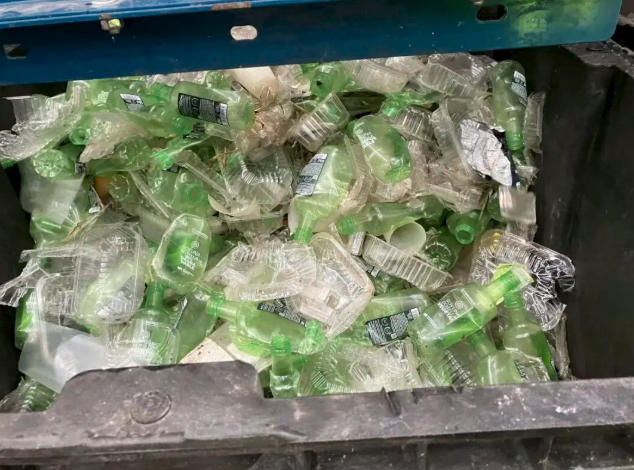
On September 1st, the EU-funded ReBioCycle project announced its latest achievements: for the first time, polylactic acid (PLA) bioplastics have been successfully recycled from real mixed plastic waste and reprocessed into recycled PLA of comparable quality to virgin materials. This marks the transition of PLA recycling from the laboratory to industrialization.
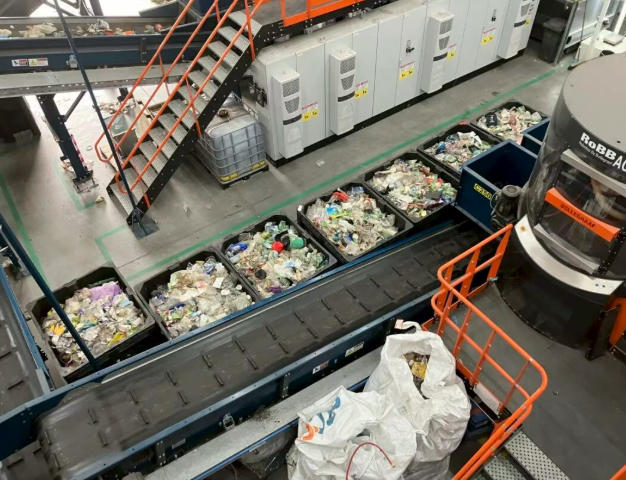
The project, coordinated by University College Dublin and involving 19 European institutions, received €10.4 million in funding from the EU's Horizon 2020 program. The technical approach consists of three steps: first, using existing near-infrared (NIR) sorting technology to separate PLA from mixed waste (ensuring purity meets processing requirements); second, using Torwash hydrolysis technology to depolymerize PLA into lactic acid monomers; and finally, TotalEnergies Corbion repolymerizes the lactic acid into high-quality PLA. The entire chain has been validated in a real-world operating environment and at a pilot scale, demonstrating that PLA recycling can be integrated into existing recycling infrastructure without the need for reconstruction.
The next phase will shift from "technology verification" to "market implementation," developing new applications for recycled PLA, scaling up production, and promoting commercialization. This breakthrough directly addresses the EU's Packaging and Packaging Waste Regulation (PPWR) target of making all packaging recyclable by 2030, providing a practical path for integrating bio-based plastics into the circular economy. The project's next step will be to focus on market implementation, developing new application scenarios for recycled PLA, and promoting large-scale mass production.