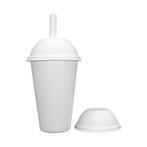
Paper cups are typically packaged using a combination of materials to ensure their protection and hygiene during transportation and storage. The primary packaging materials for paper cups are as follows:
Plastic Sleeves or Wrappers:
Many paper cups are individually wrapped or have a plastic sleeve around them. This serves as a protective barrier, keeping the cups clean and preventing contamination before use. The plastic used for these sleeves is often a thin, transparent material.
Cardboard Boxes:
Paper cups are commonly packaged in cardboard boxes, especially when sold in bulk. These boxes are designed to hold a specific quantity of cups securely, providing structural support and ease of handling during distribution.
Shrink Wrap:
In some cases, paper cups may be shrink-wrapped in plastic film. Shrink wrap helps secure multiple cups together, providing stability and protection. It is commonly used for larger quantities of cups, such as those destined for commercial or institutional use.

Paperboard Cartons:
Paper cups for retail or consumer use may be packaged in paperboard cartons. These cartons often feature colorful graphics and branding to attract consumer attention. The paperboard is sturdy and can be recycled.
Bulk Packaging:
For industrial or commercial purposes, paper cups are often packaged in larger quantities within sturdy cardboard boxes. These bulk packages may contain multiple sleeves or stacks of cups, facilitating efficient handling for businesses.It's important to note that the packaging used for paper cups should prioritize sustainability and environmental considerations. Manufacturers are increasingly exploring eco-friendly alternatives, such as biodegradable or compostable materials, to reduce the environmental impact associated with packaging waste. As consumer awareness of environmental issues grows, the packaging industry is evolving to align with more sustainable practices.