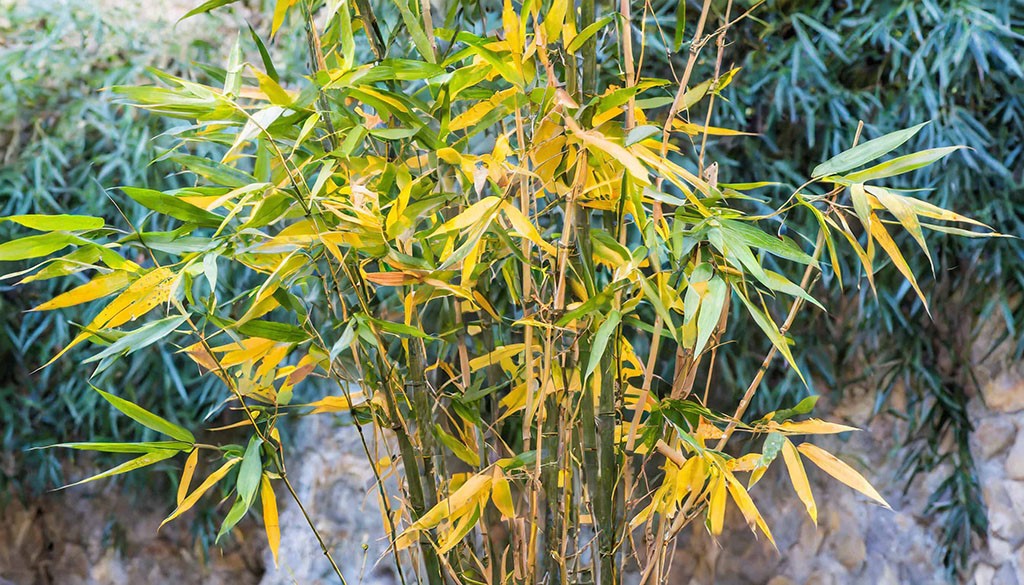
When a bamboo plant turns yellow, it is often a sign that something is not quite right with its environment or care. Here are some common reasons why bamboo leaves or stems might turn yellow:
Watering Issues:
Overwatering: Bamboo prefers well-draining soil and does not like to sit in water. Overwatering can lead to root rot, causing the plant to turn yellow.
Underwatering: On the other hand, if bamboo does not receive enough water, it can also turn yellow. Bamboo needs a consistent level of moisture, especially during dry periods.
Light Conditions:
Too Much Direct Sunlight: While bamboo needs light, too much direct sunlight can scorch the leaves, causing them to turn yellow.
Insufficient Light: If bamboo does not get enough light, it can become stressed and start to yellow.
Nutrient Deficiency:
Lack of Nutrients: Bamboo requires certain nutrients, including nitrogen, to thrive. A deficiency in essential nutrients can cause yellowing of the leaves.
Soil Quality: Poor soil quality can contribute to nutrient deficiencies.
Pests and Diseases:
Pests: Infestations by pests such as aphids, spider mites, or mealybugs can cause yellowing as they damage the plant.
Diseases: Fungal or bacterial infections can also lead to yellowing leaves or stems.
Temperature Stress:
Extreme Temperatures: Bamboo is sensitive to extreme temperature changes. Both excessive heat and cold can stress the plant, leading to yellowing.
Transplant Shock:
Recent Transplanting: If the bamboo has been recently transplanted or repotted, it might go through a period of shock, during which the leaves can turn yellow.
Chemical Exposure:
Fertilizer Burn: Over-fertilizing or using the wrong type of fertilizer can cause chemical burns, leading to yellow leaves.
Contaminants: Exposure to chemicals, such as herbicides or pollutants, can also affect the plant.
Solutions and Care Tips
Proper Watering:
Ensure the soil is well-draining and water the bamboo regularly, keeping the soil consistently moist but not waterlogged.
Optimal Light:
Provide the bamboo with bright, indirect sunlight. If the plant is outdoors, ensure it has some shade during the hottest part of the day.
Nutrient Management:
Use a balanced, slow-release fertilizer specifically formulated for bamboo or a general-purpose fertilizer. Follow the recommended dosage.
Pest Control:
Regularly inspect the plant for signs of pests. Use appropriate organic or chemical treatments if needed.
Temperature Regulation:
Protect the bamboo from extreme weather conditions. During cold spells, consider moving potted bamboo indoors or providing a cover for outdoor bamboo.
Post-Transplant Care:
If recently transplanted, give the bamboo time to adjust. Ensure it's well-watered and not stressed by direct sunlight or extreme conditions.
By addressing these potential issues, you can help your bamboo regain its healthy green color and thrive.