The European Association recommends adding 7 types of compostable packaging!
With the introduction of the new Packaging and Packaging Waste Regulation (PPWR) (EU Regulation 2025/40), the EU recognizes the significant environmental benefits of compostability for specific packaging applications.
According to Article 9, from February 12, 2028, the following packaging types must meet industrial compostability standards within the EU (Member States may add additional requirements for household compostability):
• Adhesive labels for fruits and vegetables
• Permeable tea bags, coffee bags, or beverage bags
• Flexible single-use packaging units discarded with the product (such as tea bags, coffee bags, etc.)
Furthermore, Article 9 allows the European Commission to expand this mandatory list and authorizes Member States to impose compostability requirements on additional packaging types (e.g., non-permeable beverage packaging, (ultra)lightweight plastic shopping bags) where the relevant infrastructure is in place.
The European Bioplastics Association (EUBP) believes that certain packaging formats are particularly suitable for compostable design, namely:
• Packaging frequently contaminated by food or discarded with biowaste
• Packaging that is difficult to recycle or not economically viable
These types of packaging include:
• Lightweight or ultralightweight plastic shopping bags (often reused as garbage bags)
• Compostable coffee capsules (coffee grounds can be composted along with the packaging)
• Packaging for short-shelf-life fruits and vegetables
• Paper/plastic composite packaging contaminated with food scraps (such as trays, wrapping films)
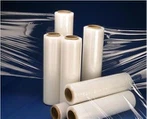
• Plastic wrap and baking packaging films
• Small condiment/sauce packets
• Absorbent pads for meat, fish, or agricultural products
These packages are often difficult to recycle and often end up contaminating compost or being incinerated. By adopting compostable design, nutrients can be returned to the soil, reducing greenhouse gas emissions, decreasing plastic pollution, and closing the circular economy chain. The industry is ready for large-scale implementation-the relevant technologies are mature and available. What we need now is wise, unified regulation that recognizes its potential and supports this transition process.
In conclusion, while waste prevention and reduction remain top priorities at the EU waste management level, compostable plastics should not be viewed merely as replacements for existing plastics. Rather, they offer new, more sustainable packaging and end-of-life solutions. For this reason, the European Bioplastics Association urges Member States to incorporate proven compostable applications-especially the types of packaging listed above-in the implementation of the Packaging and Packaging Waste Regulation (PPWR) and the shaping of a circular packaging future.